

My friend Donnie flopped top pair with the nut flush draw, then paired his ace on the river and got min-clicked. Here's why that river ace was a trap, how to size against passive fish, and how to build a repeatable thought process for narrowing ranges at the table.
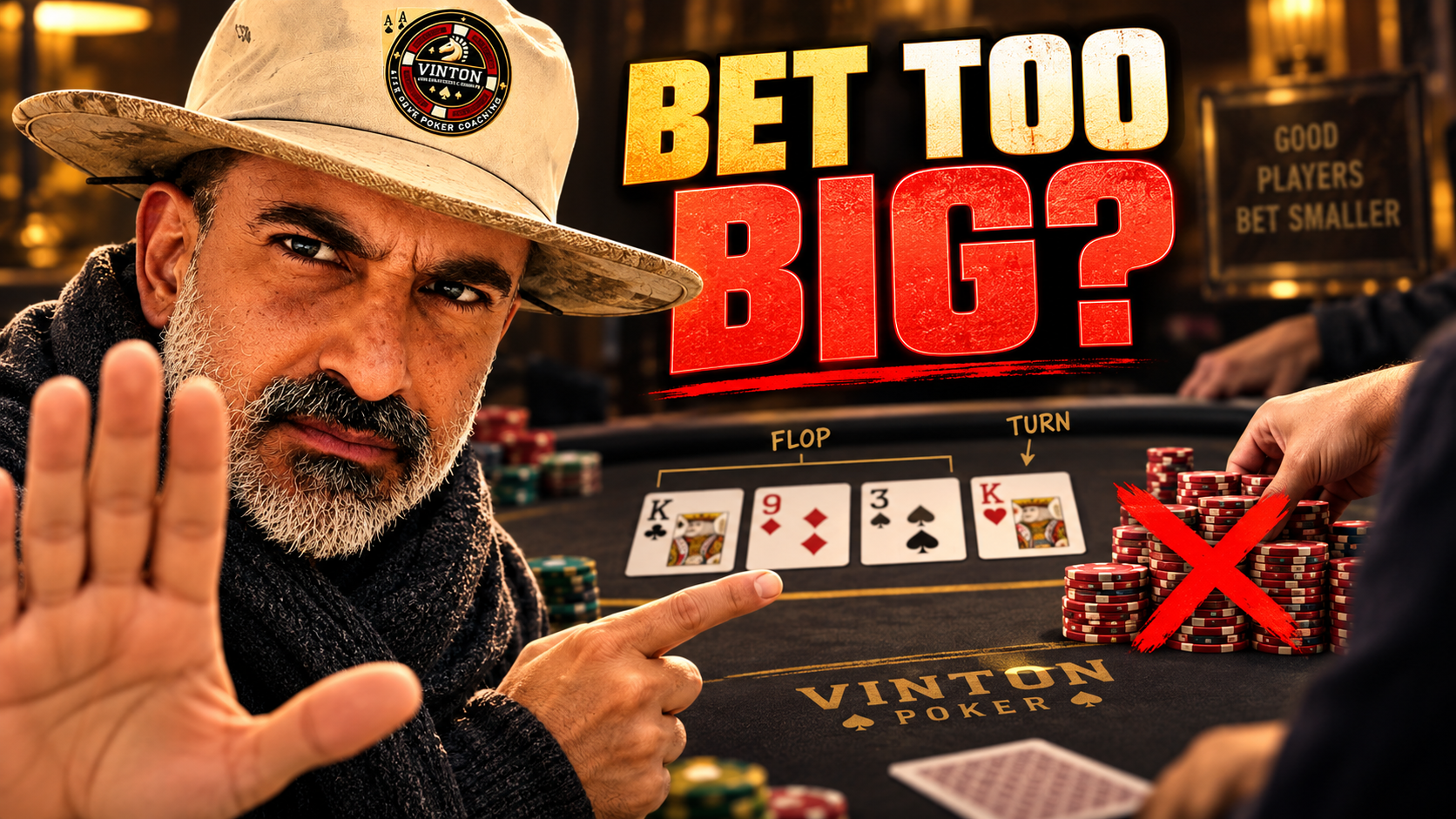
A real coaching call breaks down a turn bet most live players get wrong. Learn who owns the nut advantage, what small sizing actually means, and why the river is where your fold equity lives.
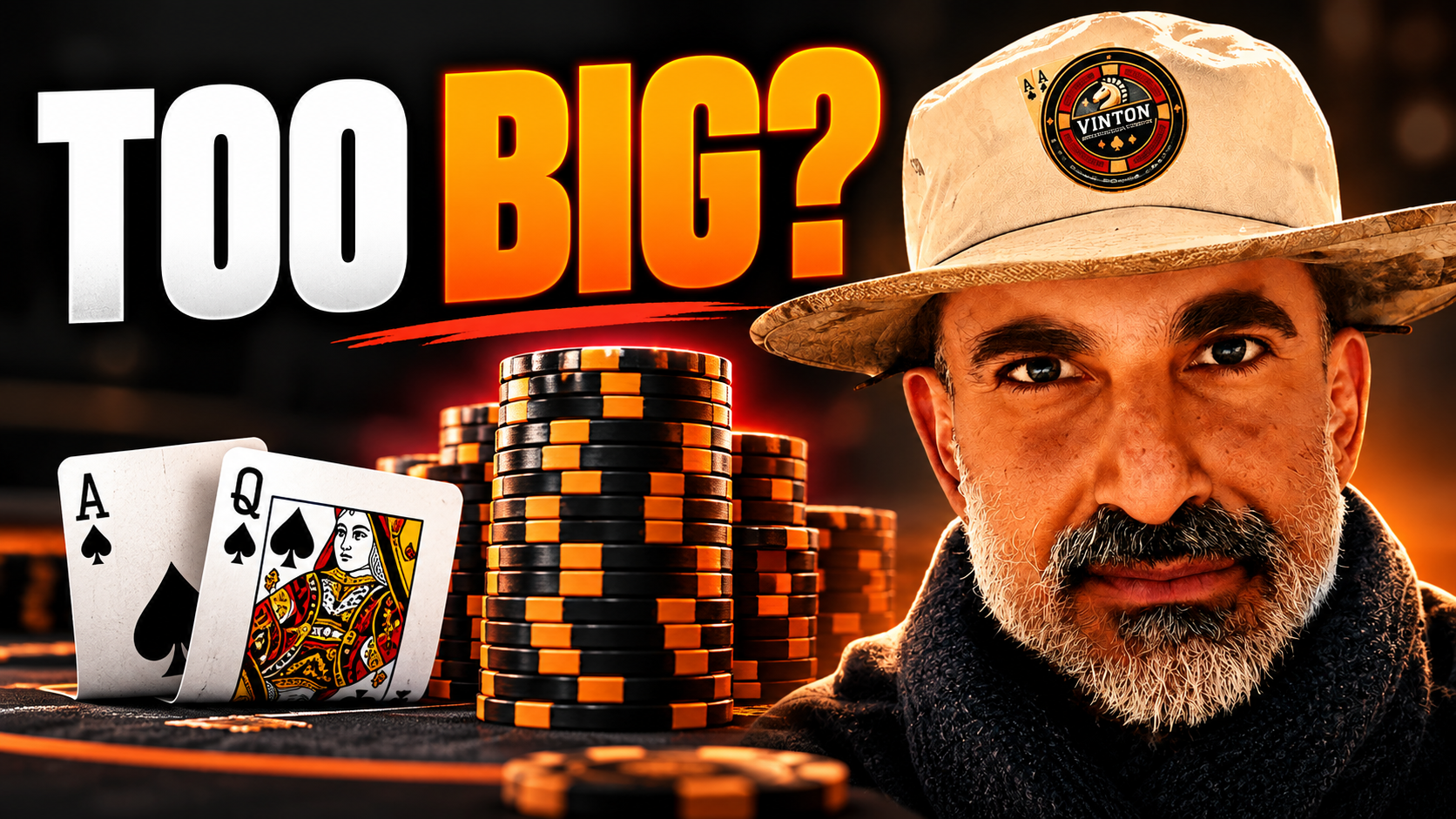
Your Value Bet Is Too Big (And It's Costing You Money)
You flop top pair, top kicker, bet three streets against a sticky player, and get snap called by two pair on a brick river. That wasn't a cooler. The river size chased away every worse hand and left only the ones that beat you. Here's how merged betting and read-driven sizing fix it, starting with one question: which worse hands call this exact size?
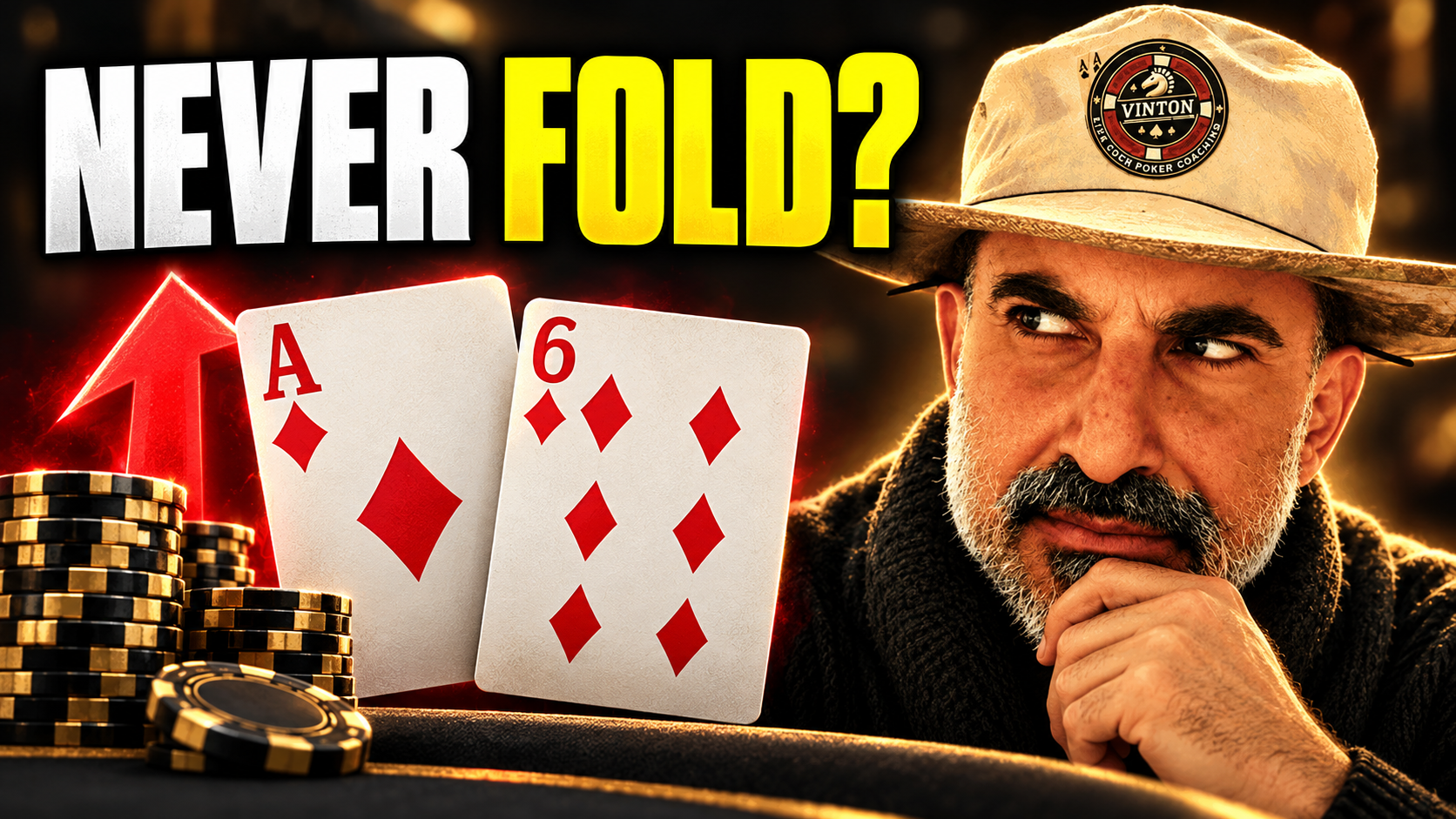
This "Obvious Fold" Was Actually a Massive Mistake
Villain jams the river, you think you're beat, and folding feels like discipline. But even when you're behind 70% of the time, the math can make calling clearly profitable. Here's how to run the numbers at the table, and why stack depth changes everything.
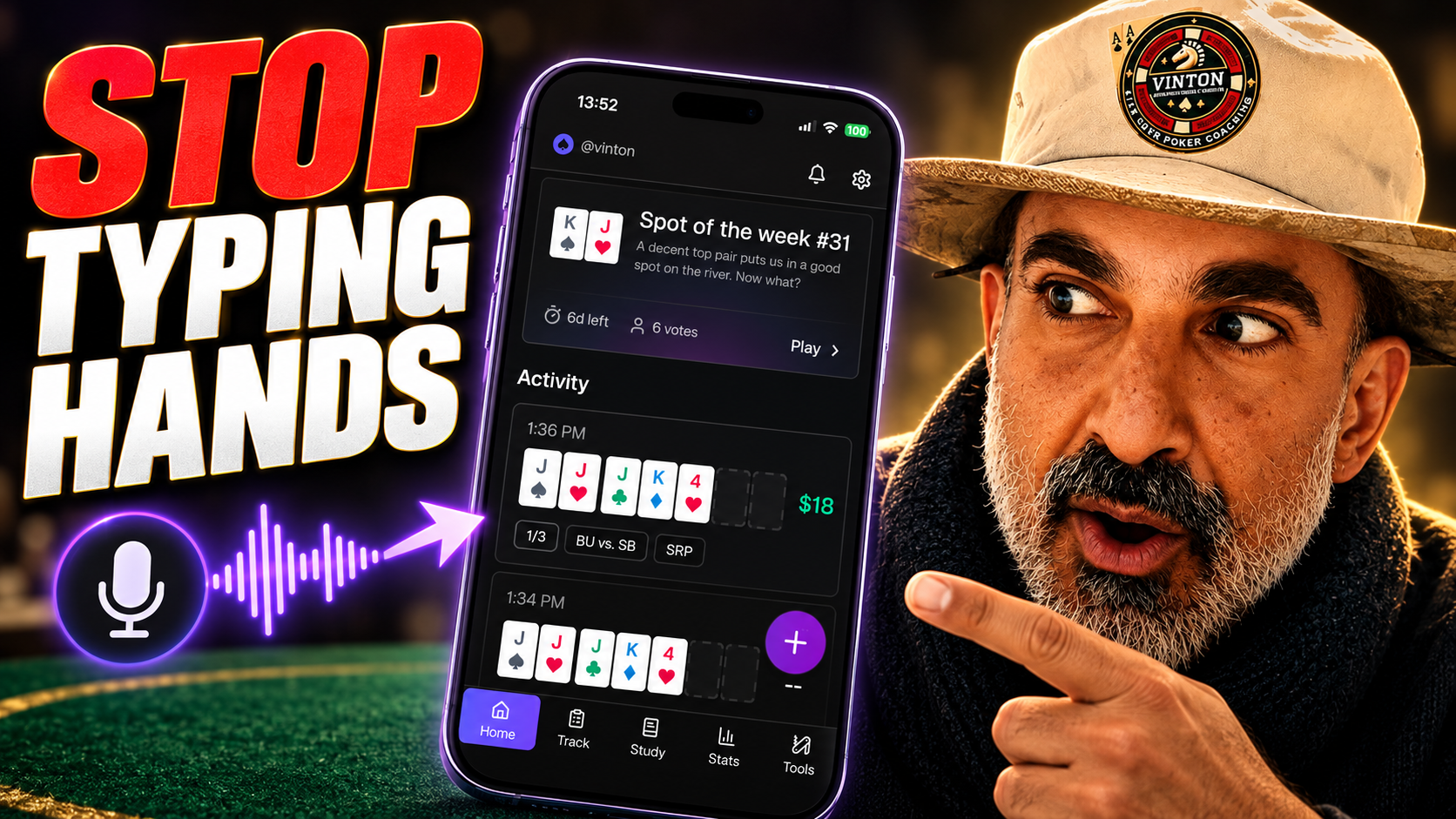
The Free App That Turns Your Hand Notes Into Visual Replays
Your memory of a hand starts falling apart the moment the pot gets pushed, and the details you lose are the ones that actually decide whether your line was good. Here's the free app I use to capture hands while I'm still in the game, and turn them into visual replays I can share.
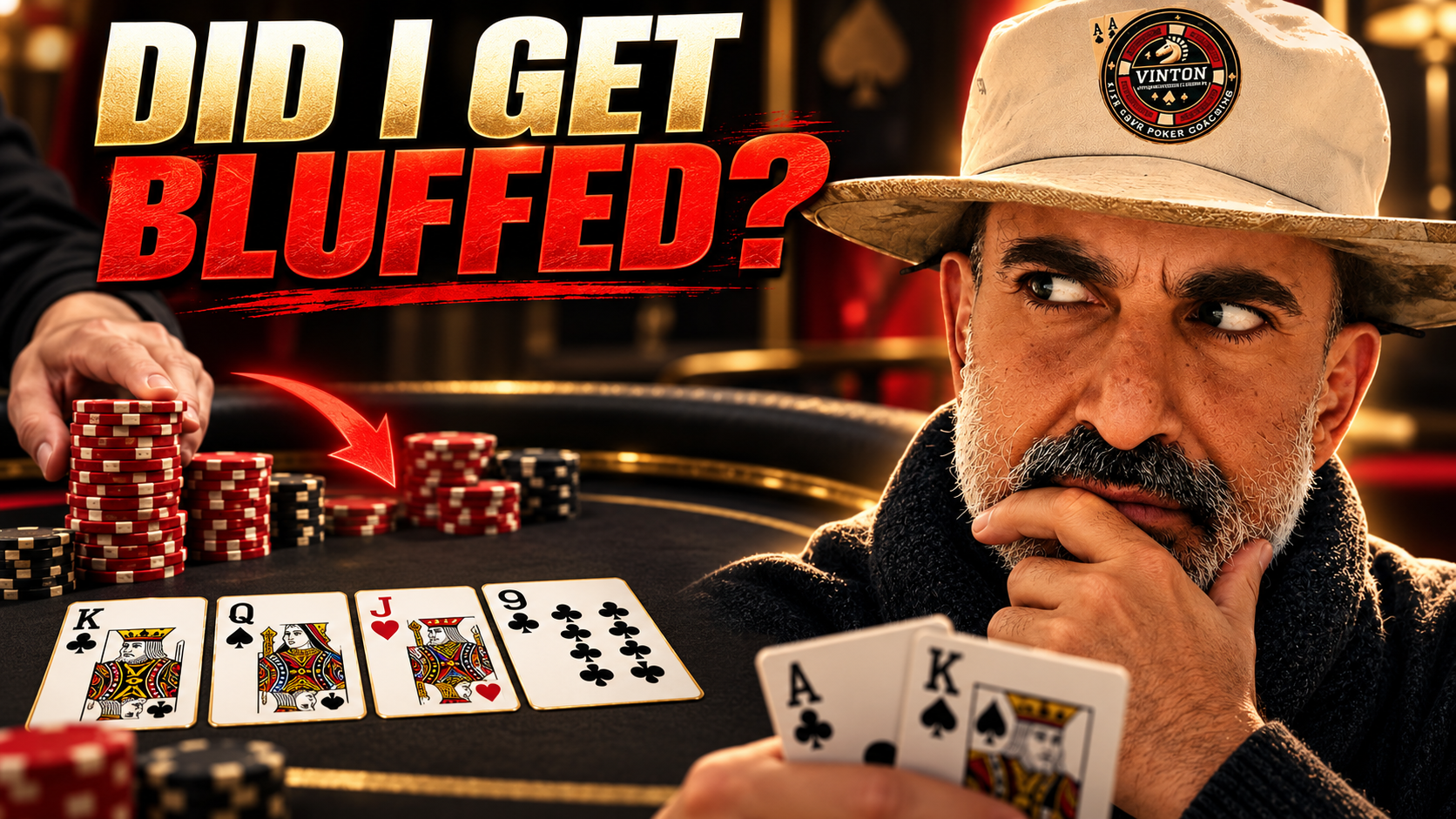
Would You Fold A-K Here? 300BB Deep Facing a Turn Squeeze
Top pair, top kicker, 300 big blinds deep, and I folded it on the turn to a squeeze from a strong regular. Was it a disciplined laydown or did I get bluffed? Walk through the hand street by street, make your own decision, and tell me what you'd do before the reveal.
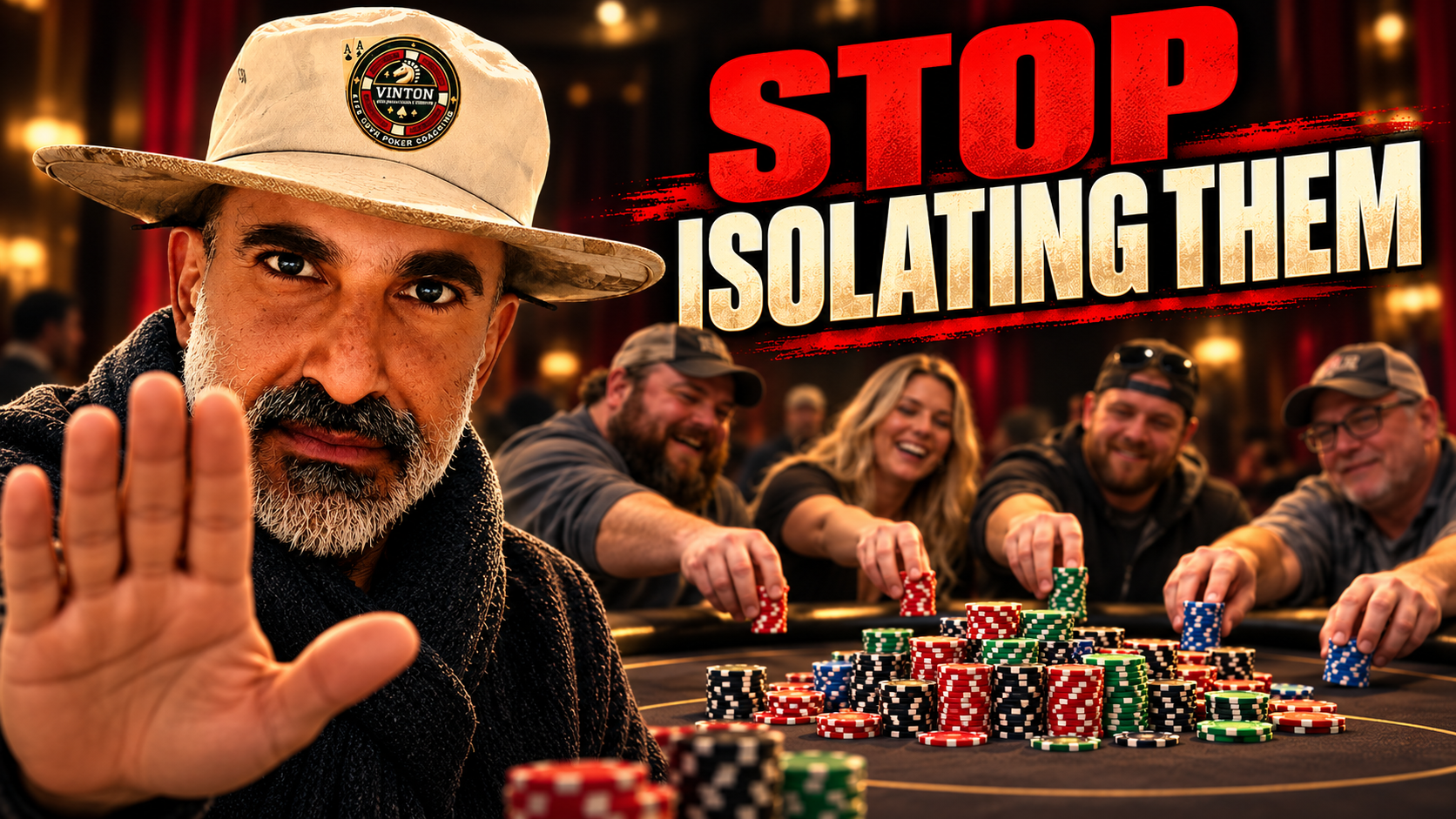
Everyone Limps and Nobody Folds? Good. Here's How to Crush It.
Everybody limps, nobody folds, and you raise into three or four callers anyway. If you think that game is unbeatable, you're looking at it backwards. Here's the five-part exploit that turns a no-fold table into the most profitable seat in the room, plus the mindset leak that costs more than any of it.

Blockers Are Real!!! You're Just Using Them Wrong.
Close to 80% of live players have no idea how to use blockers, and the ones who try lose money doing it. Here's what a blocker actually does, the three categories that matter in live cash games, and how blocker value changes completely depending on who's sitting across from you.
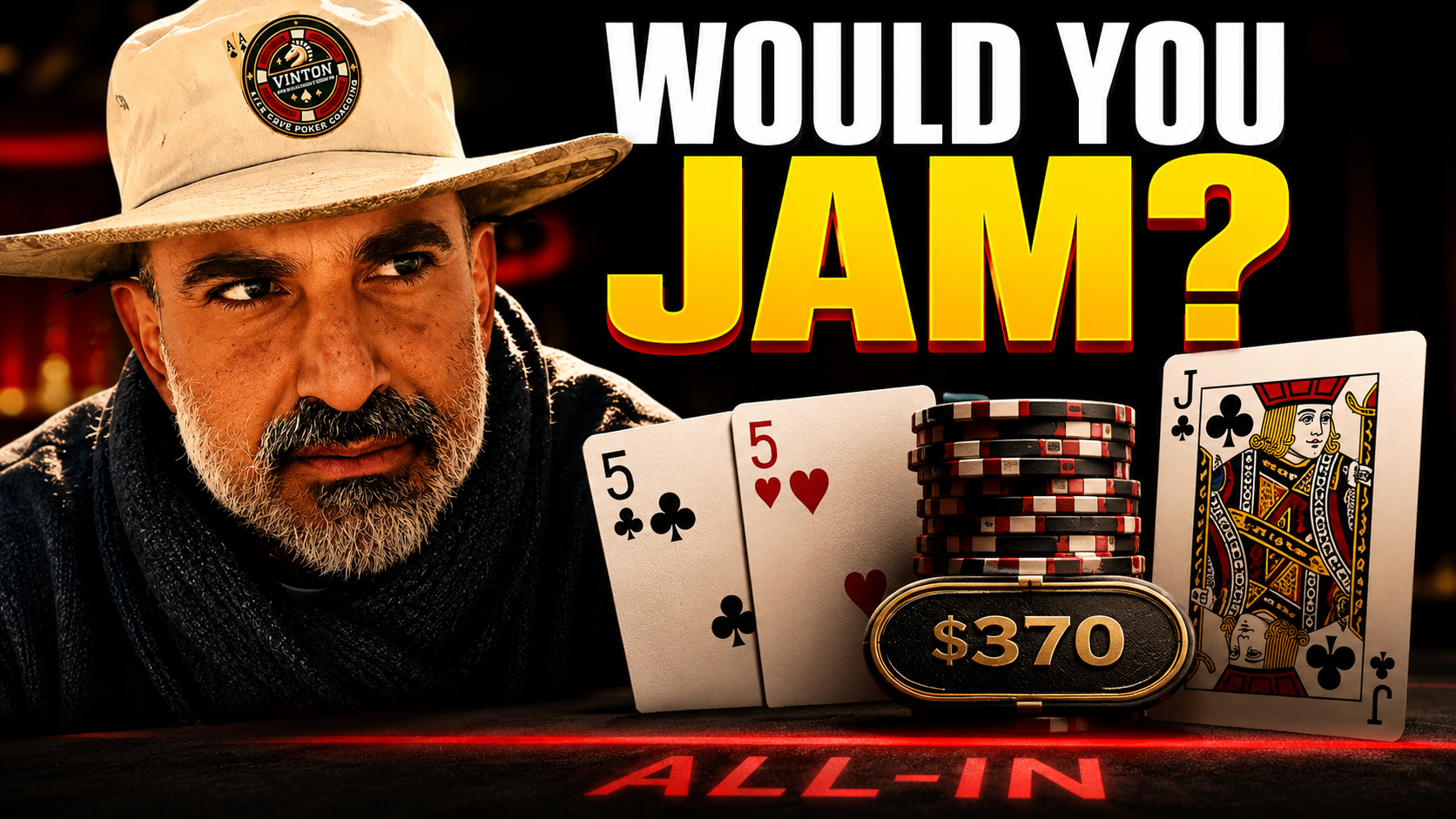
This $370 River Bluff Looked Perfect… So What Went Wrong?
A 1/3 player turned pocket fives into a $370 river jam when the backdoor flush completed. The bluff card was legitimate, the villain's range was attackable, and the bluff still lost money. Here's the one calculation he skipped, and the four part test that would have stopped him.

How Often Should You C-Bet? Stop Asking for a Number
Most live players want a c-bet percentage. Sixty, seventy, eighty. There isn't one, and chasing one is how you end up on autopilot. Here's the four-question protocol I use instead: player, board, purpose, and plan. Same cards, same board, same stacks, and the correct answer flips the moment the villain changes.

He Jammed Top Two For $550 At 1/3. Massive Punt?
A viewer flopped top two in a nine way limped pot and shoved $550 into a $1,187 pot. He won. That still does not make it correct. Here is the break even math, why the answer flips completely based on your read, and why calling was almost certainly better.
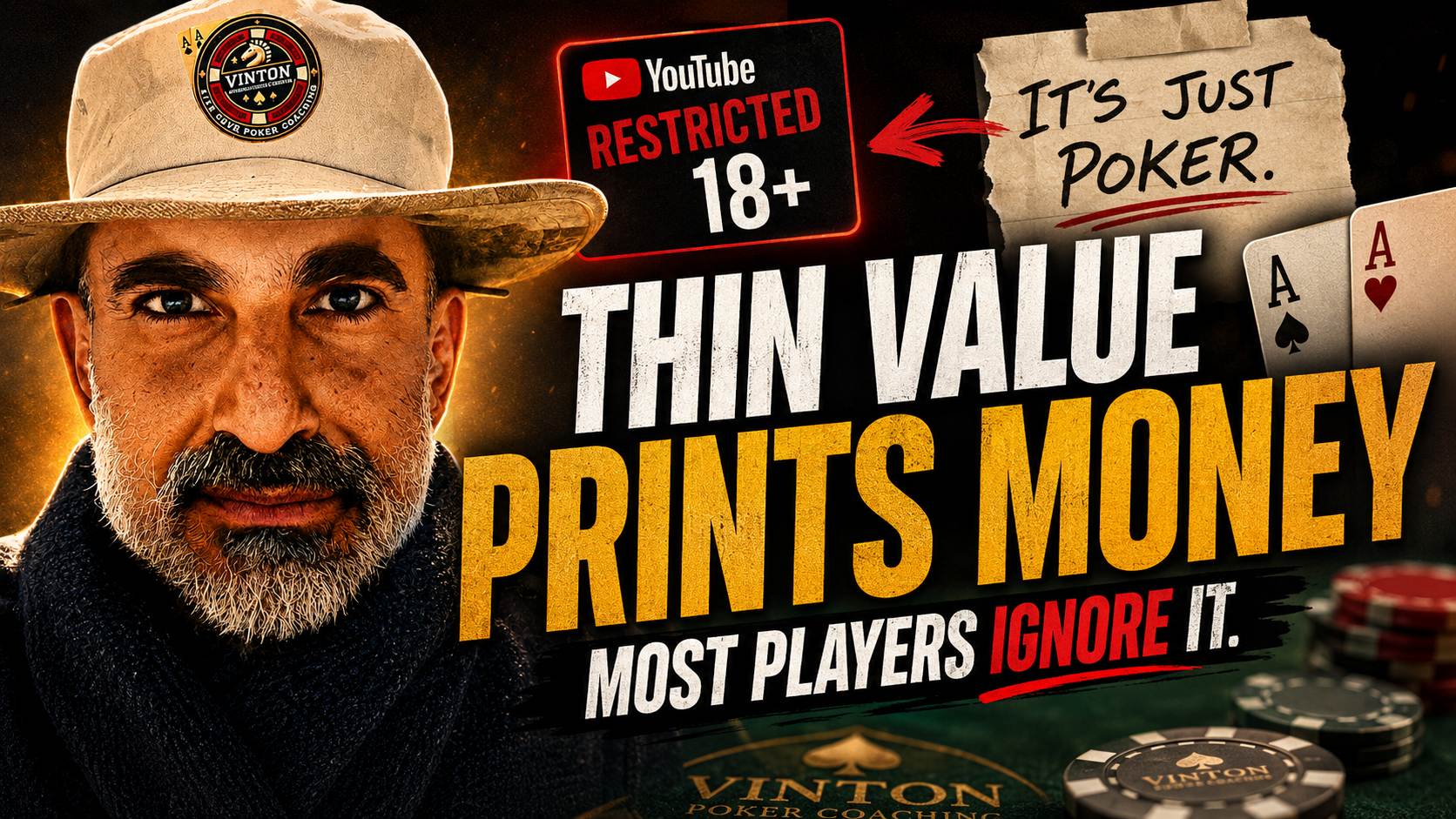
Thin Value Betting: How to Stop Leaving Money on the Table
Most players wait for the nuts to bet big and it's costing them. Here's how to target thin value ranges and turn small edges into serious long-term profit.

You Know You're Beat. Why Do You Still Call?
You already know you're behind. So why can't you fold? Here's the leak that keeps solid players stuck at break-even, and the process that fixes it.
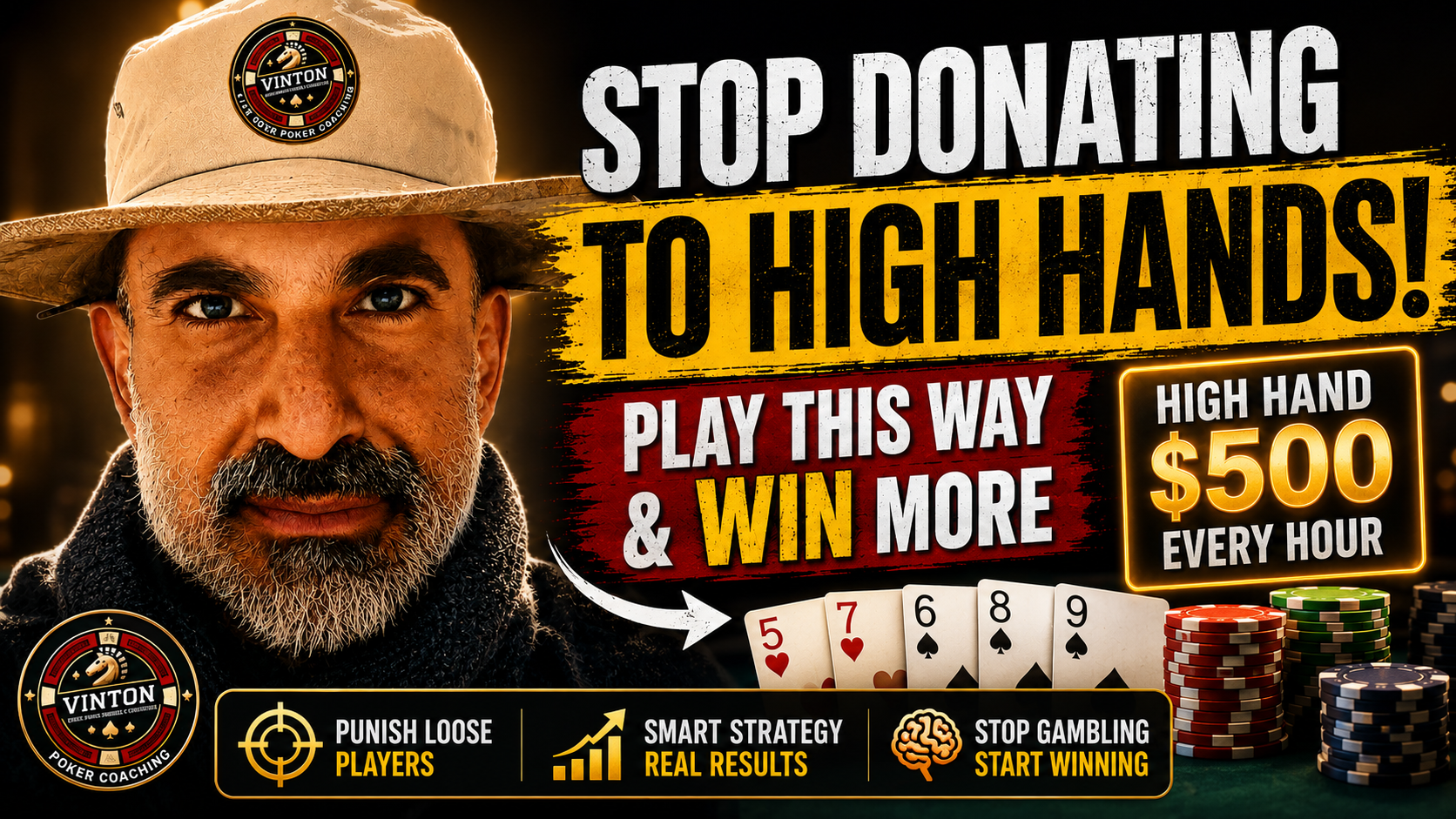
How to Exploit High Hand Chasers in Live Poker
High hand promotions turn every table into a room full of players chasing a jackpot instead of playing poker. Here's how one coaching student flipped a losing session into a winner by exploiting exactly that, and the one hand where too much passivity nearly cost him the pot he'd already built.
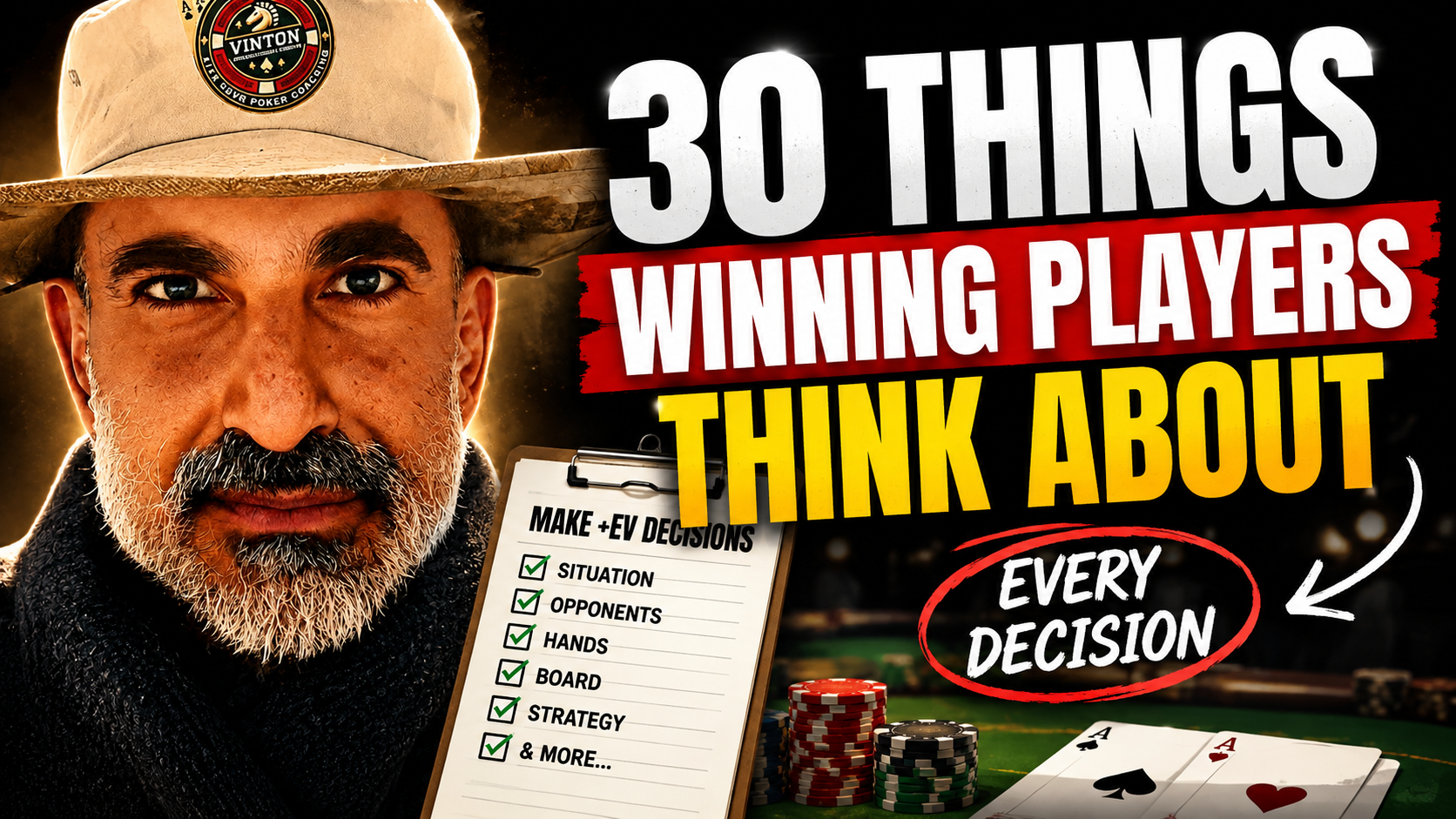
Most players think poker is about their cards. It's not, it's about decisions. Here are all 30 factors a winning player runs through before acting on any hand, and why missing most of them means you're gambling, not playing.
Why You're Still Stuck at $1/3 (It's Not Bad Luck)
Most 1/3 players blame bad beats and coolers for staying stuck. The real problem is unexplained poker: hundreds of tiny decisions made on autopilot with no real reasoning behind them. Here's how to fix it.
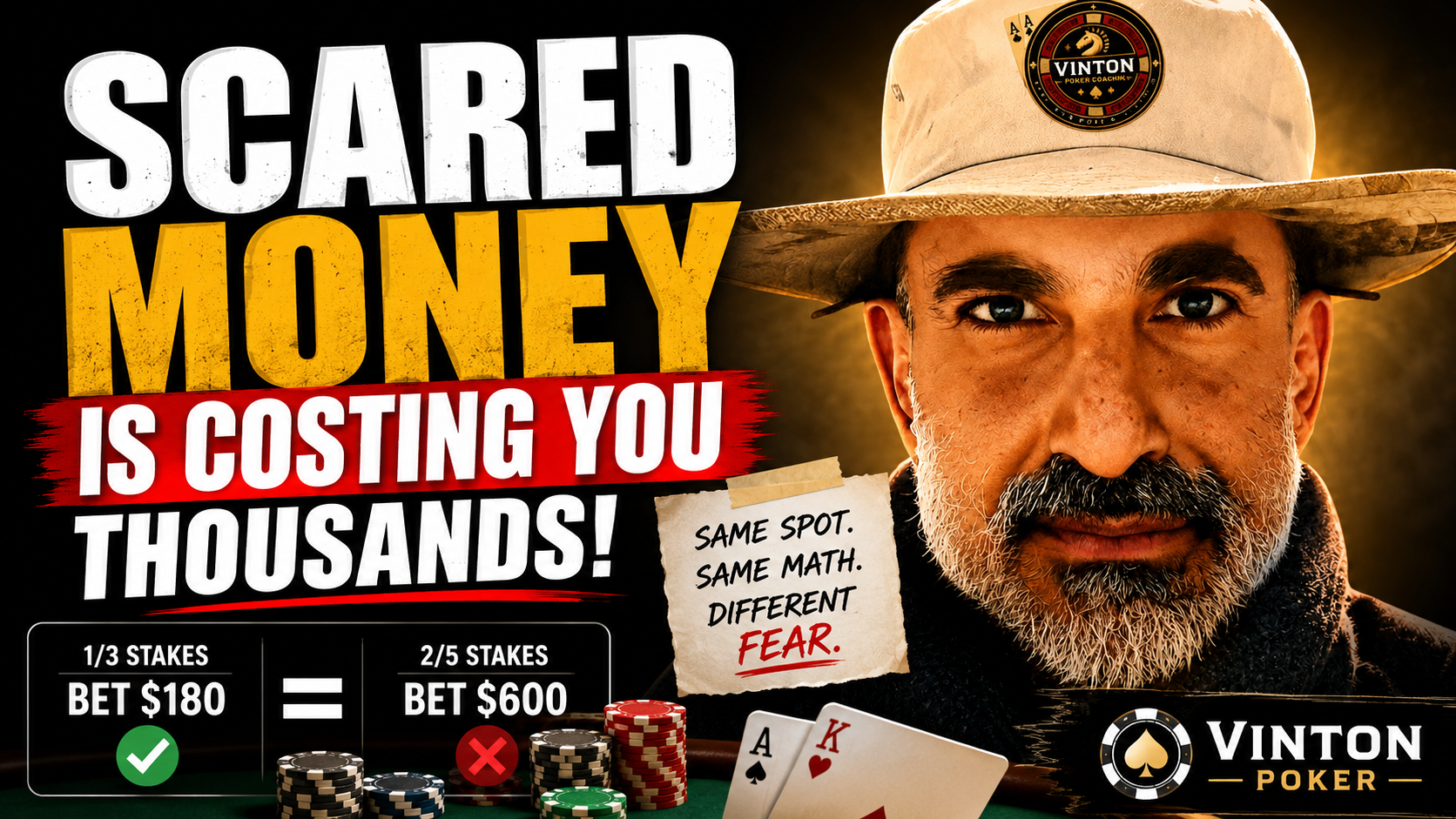
Scared Money: The Hidden Leak That's Wrecking Your Win Rate When You Move Up in Stakes
Moving up in stakes exposes one of the most expensive leaks in live cash poker, and it has nothing to do with the cards. Here's how to tell the difference between fear that's protecting your bankroll and fear that's just costing you money.
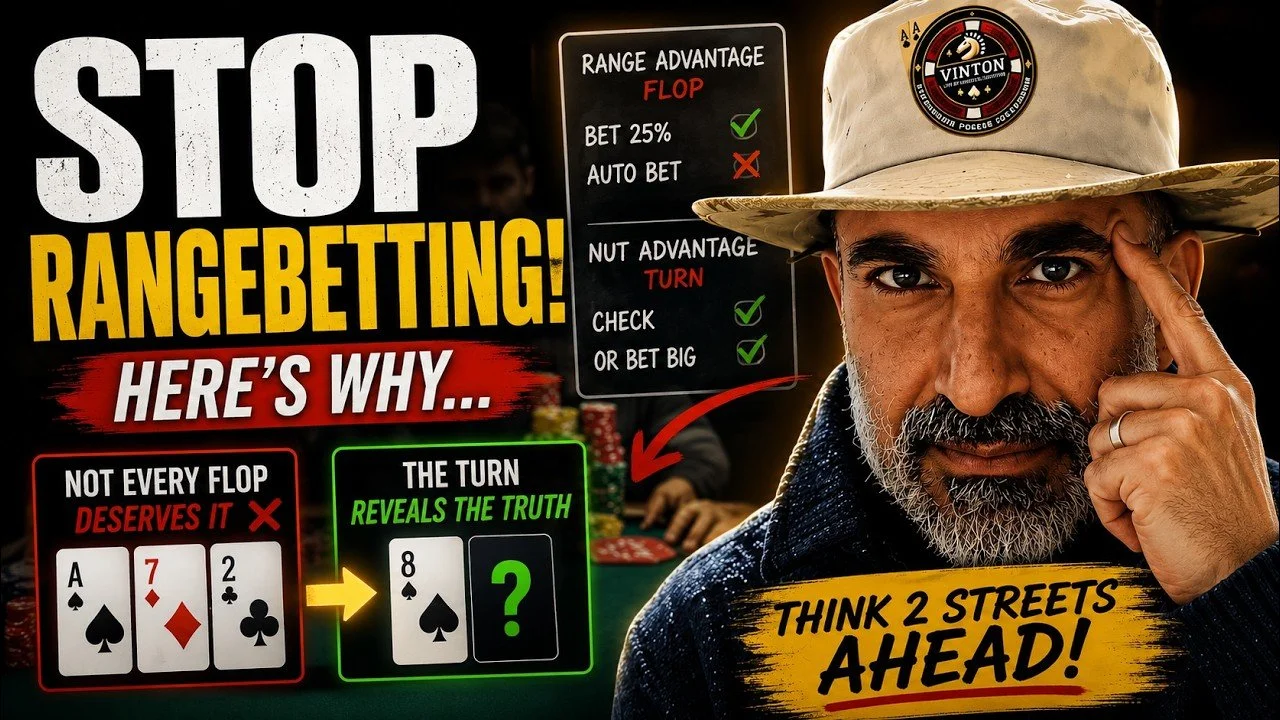
How to Crush Rangebets in 3Bet Pots
Most players learn to c-bet small and often in 3-bet pots because that's what a solver does. But that rule has a boundary, and once you know which boards break it, the same small bet that used to work against you becomes the leak you can exploit.

What Is Nut Advantage?
Most players think nut advantage just means having a strong hand. It doesn't. Here's why it's a range-level concept, how it's different from range advantage, and why the board never changes even when your strategy has to.
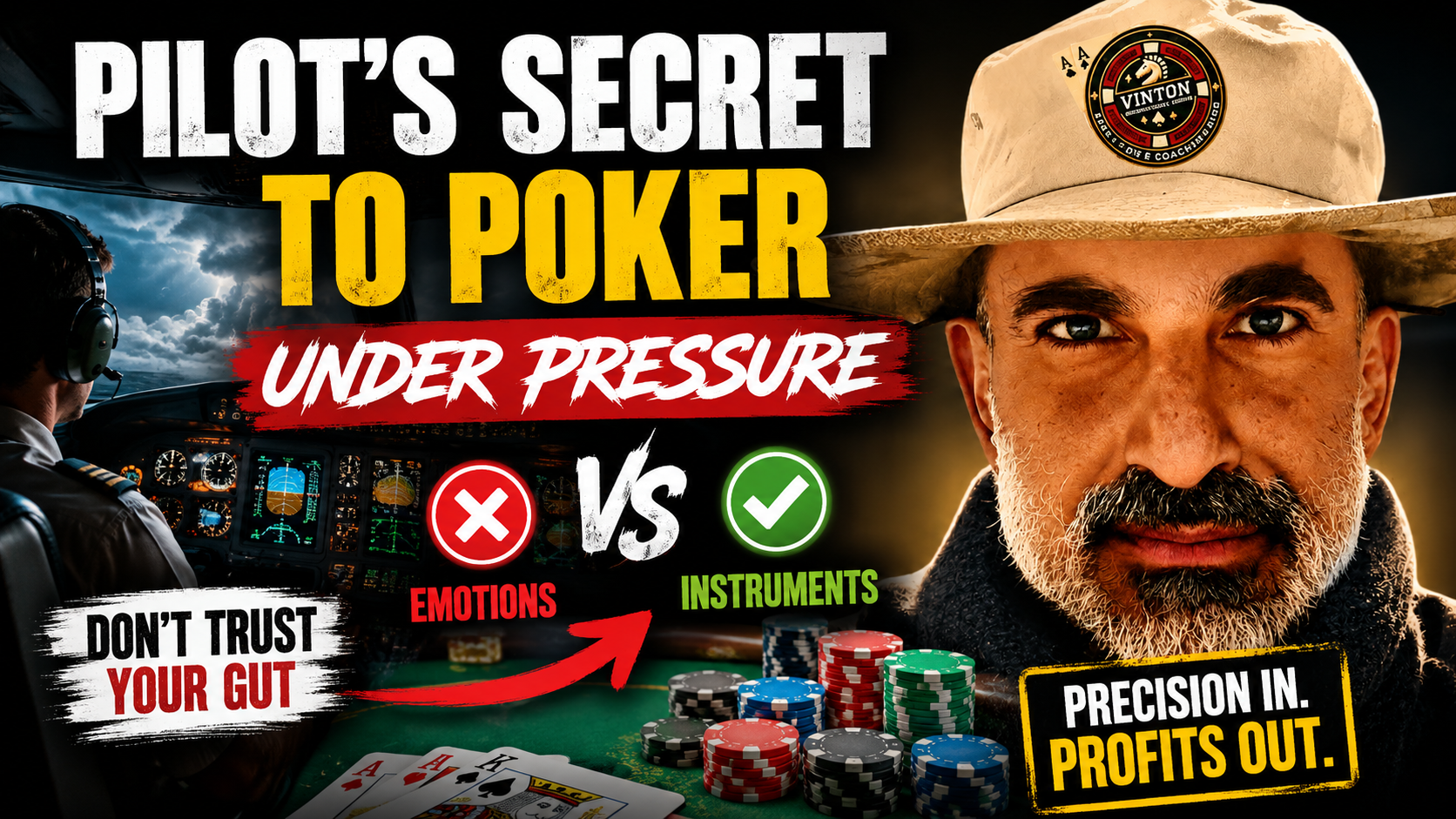
What Pilots Know About Decision-Making That Poker Players Don't
Spatial disorientation kills experienced pilots every year, not because they're careless, but because their own body lies to them under pressure. It's the exact same failure that wrecks a poker player's stack, and the fix is the same instrument scan pilots are trained to trust instead.